







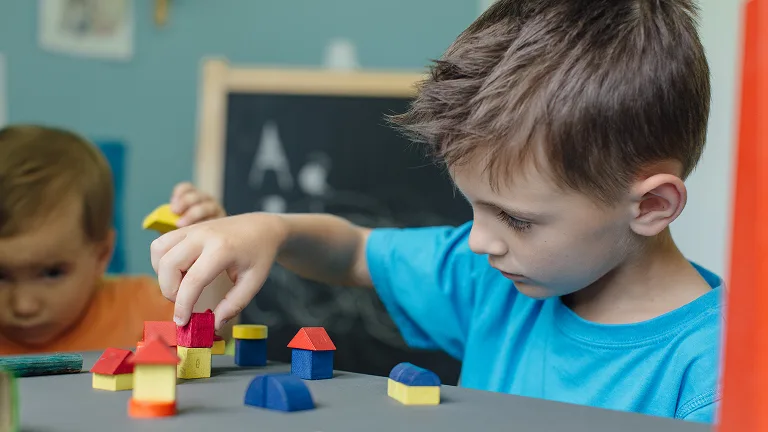
Preschoolers learn best through hands-on fun! At Chrysalis Kids, we celebrate little hands doing big things with engaging fine motor activities – perfect for boosting confidence, creativity and coordination. Let’s explore some insights about the activities for kids to enjoy and learn at home or in the classroom.
What are Fine Motor Skills and Why do they Matter?
Fine motor skills involve the balanced coordination of hand muscles for everyday tasks like drawing, eating and dressing. At top preschools in Bangalore, early development boosts school success, confidence and independence; making kids feel more capable. When selecting the best activities for young learners, it is essential to consider the criteria given below that ensures both developmental value and lasting engagement.
-
- Fun and Engaging: Kids learn the best through play!
- Developmentally Appropriate: Suitable for ages 3–5.
- Easy to Set Up: Minimal materials, maximum creativity.
- Promotes Repetition: Kids can enjoy it again and again.
- Variety: Different movements and materials for diversity
- Everyday Accessibility: Preschool activities for kids that can also be done at home
Top Fine Motor Skills Activities for Preschoolers
Based on the key criteria, here is a curated list of the top fine motor skills activities for preschoolers. These activities are not only fun but also highly effective in building coordination, control and confidence.
1. Playdough Fun :
Squeeze, roll and flatten it! Playdough is a classic for a reason. Kids can use cookie cutters, plastic scissors or even natural tools like twigs and leaves to shape and mould. This activity strengthens hand muscles and boosts creativity at the same time. Bonus: it’s calming too.
2. Cutting Practice:
Give your child safety scissors and let them snip paper strips, old magazines or even playdough. Start with snipping straight lines on coloured paper or old magazines and work up to zig-zags or shapes. It builds hand strength and focus.
3. Button & Zipper Frames or Sorting Games
Let your kids dress themselves as practicing buttoning or zipping helps build finger dexterity and promotes independence. Sorting buttons or beads by size or colour also strengthens finger control and boosts fine motor precision.
4. Bead Threading & Lacing Activities
Threading chunky beads onto strings or shoelaces is an excellent activity to boost hand-eye coordination. It is also one of the most fun and creative fine motor skills activities in kindergarten.
What you’ll need –
-
- Chunky beads or large pasta shapes
- Shoelaces or strings
- A tray or bowl to hold the beads
Instructions:
Set up materials, let kids explore, demonstrate threading, introduce patterns, offer praise and proudly display their creative, confidence-building masterpiece.
5. Tongs or Sponge Transfers
Use kid-friendly tongs or tweezers and ask your child to move pom-poms or sponges between bowls. This improves grip strength, coordination and focus. Want to level up? Add colours and make it a matching game!
6. Pipe Cleaner & Colander Threading
Turn your kitchen into a fine motor playground! Step-by-step guide:
-
- Grab Supplies: Colourful pipe cleaners and a metal/plastic colander.
- Set the Scene: Place the colander upside down on a table.
- Thread Away: Show your child how to insert pipe cleaners through the holes.
- Let Them Explore: Encourage free play – twist, loop or create patterns.
- Celebrate Creations: Admire their colourful, wiggly designs!
7. Tape Rescue & Kitchen Play
Step-by-step Guide:
-
- Gather Materials: Small toys, painter’s tape and a flat surface like a table or tray.
- Set the Scene: Tape toys securely but peelable on the surface.
- Introduce the Challenge: Ask your child to “rescue” toys by peeling the tape.
- Peel and Play: Strengthens fingers and boosts focus.
- Add Pretend Play: Use rescued toys for stirring, pouring or role play.
- Celebrate: Praise their effort and creativity throughout!
8. Sticker Peeling & Sensory Crafts
Peeling stickers may seem like a tiny task, but it’s a big deal for finger strength and coordination. Combine it with cotton balls, glue sticks or sponges for sensory-rich crafts that build both creativity and motor control.
9. Fingerplays & Musical Hand Games
Classic rhymes like “Itsy Bitsy Spider” and clapping games like “Pat-a-Cake” are excellent examples of fine motor skills activities. They help kids build rhythm and hand coordination. These playful moments are not only great for fine motor development but also for language and listening skills.
10. Baking & Real-World Tasks
Involve your little chef in snack preparation by letting them:
-
- Stir the batter
- Crack eggs
- Scoop flour or
- Roll out dough.
These skills build independence while sneaking in loads of fine motor practice. It may be messy, but meaningful!
Understanding what are fine motor skills and developing them are essential in achieving early milestones. Building them can be fun, playful and filled with giggles; whether peeling stickers, threading beads or stirring cookie dough, they’re learning, growing and gaining confidence with every move.
As the best play school for kids, at Chrysalis Kids, we believe practising these tiny movements for a few minutes daily makes a big difference! We blend purposeful play with proven strategies to help every child grow with confidence, making us the best preschool in Whitefield. Book a tour today and see how we nurture little hands and growing minds—one playful moment at a time!